
I've been there
November 1, 2026
Why Do I Keep Trying to Make You Understand How I Felt?
On being a helper, wanting to be seen, and learning when to say goodbye
A friend recently offered me the chance to take an Enneagram test. I came back as a Type Two, the Helper.
Some of it made me smile. I care about people. I remember things about their lives. I like showing up, bringing food, checking in, helping when something is hard. Those are parts of myself I enjoy.
Other parts were uncomfortable to read. Putting everyone else’s needs ahead of my own. Wanting to be needed and appreciated. And especially the part about trying harder to keep a connection when someone starts pulling away.
Oh. Yes. I know that one.
I’m figuring out this next part of my life—working with parents one-on-one through KinThrive, caring for animals through TrustedHousesitters, attending recovery support meetings and working with a business coach again. I’m spending time looking at myself. Some days I feel like I understand something, and the next day I find myself doing it again.
Lately, I’ve been noticing how hard I will work to get someone to understand what it felt like for me.
Since around 2018, when my children were navigating treatment and their own struggles, I’ve been questioning what I had considered acceptable in my life. Ways I was spoken to. Emotional abuse in our home. Things I later learned about my marriage that changed my understanding of what had been happening around me.
Back in 2019, I was working the Twelve Steps and making amends. I wanted to own my part. I also remember getting stuck, thinking, Wait. I’m doing this work. What about how I felt? Where does that go?
I still know that feeling.
An incident last year with a family member hurt me deeply. I wanted to talk about it and have the pain acknowledged. I felt shut down, so I tried again. I explained more. I brought up the history, hoping it would help the person understand why this mattered so much.
In a more recent exchange, I became angry. Some of my words were harsh. I can own that.
Somewhere in trying to be seen, I became the “dangerous” one. That was the word used about me.
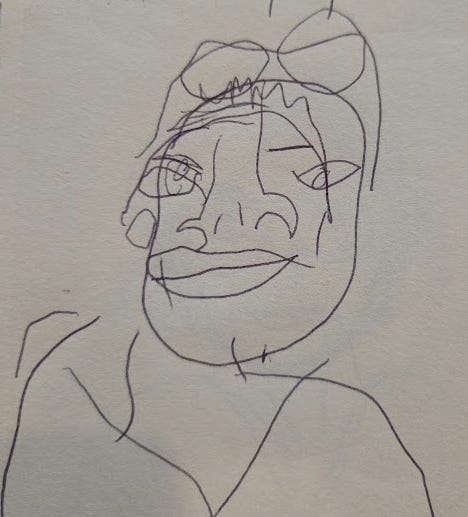
That hurt. My reaction seemed to become the whole story, while what I had been trying to explain went unheard. And my instinct was to explain again—to make sure this person understood that wasn’t who I was.
Even then, I was still trying.
Reading about Type Two, I recognized that pattern. When I feel someone pulling away, I move toward them. I look for another way to reach them, another example, another conversation. Maybe this time they’ll understand.
I can do this even when I’m angry, even when I’m deeply hurt, even when I no longer want the relationship as it is.
I seem to keep going until the other person says they’re done. Then I’m left feeling abandoned.
That is the part I need to look at. I leave the goodbye to someone else.
I can already see that I’m not being heard, and I’ll still try one more time. I want repair where I can acknowledge my behavior and the other person can acknowledge theirs. I want us to understand each other and move forward in a healthier way.
I have a hard time accepting when I’m the only one still trying to have that conversation.
What I need to learn is how to say: I don’t feel seen here. You don’t seem willing to acknowledge your part. I’ve tried, and I’m going to stop.
I need to be able to say goodbye before I’ve worn myself out trying to get there.
That’s hard to write because I don’t give up on people easily. I’ve often felt proud of that. I’ll stay, help, reach out, find another way. Now I’m asking myself what happens to me while I’m doing all of it.
Where are my needs? What am I putting aside in my own life while I think about the next thing I could say? How long have I known that this relationship hurts without allowing myself to step away?
There is another part of this I need to be honest about.
My children are young adults now. They have things they want me to understand about their childhoods—times they felt isolated, abandoned or hurt by something I did or didn’t do.
Sometimes I feel myself wanting to shut down. I want to say, No, that’s not true. I want to explain everything that was happening, how frightened I was, how much I was trying to manage.
I know that urge. I have it too.
I’m practicing listening long enough to understand what they’re telling me. There are things I remember differently, and I still want to hear what it was like for them. I want to acknowledge my part without making them work harder and harder to get through to me.
I know how exhausting that can be.
I’m going to be 58. This longing goes back much further than parenting or marriage. I can see a lifetime of wanting people to understand my experience, beginning in childhood.
The Enneagram report gave me language for some of what I do. It hasn’t given me an easy way to change it. I’m still sitting with this question:
How do I stop trying to make someone understand while still honoring what happened to me and how I felt?
For now, I want to notice when I start reaching again. Is this person willing to talk with me? Am I learning anything new, or am I explaining the same hurt and hoping for a different response?
And if the willingness isn’t there, can I let myself be the one who says goodbye?
I expect it will still hurt. I just don’t want to keep waiting for someone else to leave before I let myself go.
Something to try this week: When you feel the urge to explain yourself one more time, pause. Ask yourself, “Is this person willing to hear me? What do I need right now?” Before sending another message, write down what you wish they understood. Give yourself time to decide whether there is more you want to say—or whether you’ve said enough.